Slate Roof Cleaning Mistakes to Avoid on Historic Long Island Homes
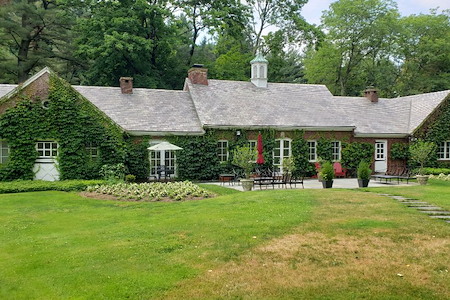
Historic homes across Long Island and the North Shore deserve careful slate roof cleaning, and cutting corners can lead to cracked tiles, leaks, and stained metalwork. If you own a classic property in Manhasset, NY, or nearby, understanding the biggest mistakes will help you decide when to schedule slate roof cleaning and who to trust with the work.
Why Slate Roof Cleaning on Long Island Needs Special Care
Slate is beautiful and durable, yet it can be fragile if handled the wrong way. Our coastal climate brings wind-driven rain, salty air, humid summers, and freeze-thaw cycles that can lift edges, feed moss and lichen, and push moisture into tiny fractures. Shaded lots in Manhasset, Plandome, and Port Washington often stay damp longer after storms, which helps organic growth take hold. That is why gentle methods, steady rinsing, and patient dwell times are smarter choices than anything aggressive.
1: Using High Pressure Instead of Soft Washing
High pressure can force water behind the slate, break corners, and dislodge the interlock that keeps each tile seated. Even if the roof looks clean today, hairline cracks can widen during the next cold snap, leading to hidden leaks inside plaster ceilings and wall cavities.
Never blast slate with a pressure washer. Responsible crews rely on low-pressure soft washing paired with slate-safe cleaners, then rinse from the right angles so water sheds naturally. If you are searching for an expert partner, start with a trusted Long Island pressure washing company that understands how heritage roofing behaves on North Shore homes.
2: Harsh Chemicals That Bleach Stone or Stain Copper
Harsh or misused chemicals can lighten the surface of natural slate, weaken bedding, and leave streaks that never blend back in. Runoff that touches copper or lead-coated flashings may stain or pit the metal, and overspray can spot painted trim or cloud skylight glass.
- Reactive metals at risk include copper valleys, chimney flashing, finials, and half-round gutters.
- Adjacent materials like limestone steps, bluestone walks, and wood siding can also be affected by the wrong mix.
Using the wrong cleaner can permanently mark copper and natural stone. Pros protect metalwork with targeted pre-wetting and coverings, control the flow path of rinse water, and choose solutions that are effective on biological growth without harming surrounding finishes.
3: Ignoring Flashings, Gutters, and Skylights During Cleaning
Most leaks on slate roofs happen around flashings. If cleaning focuses only on the field of the roof, you can miss lifted edges, pinholes in soldered seams, or decayed sealant at skylights. A thorough service includes a careful visual inspection, safe access to critical details, and gentle rinsing so dirty water does not pool at terminations or backflow under the slate.
Gutters on tree-lined streets like Northern Boulevard and Shelter Rock Road often carry granules, twigs, and lichen fragments after washing. If the crew leaves debris in the troughs, the first heavy rain can push water over the fascia and down your walls.
Local insight: After a winter cold snap on the North Shore, slate can hold fine ice along edges. Cleaning during those conditions risks forcing meltwater under the tiles. Waiting for milder temperatures helps the roof shed water naturally and protects delicate flashings.
4: Letting Moss and Lichen Sit Year After Year
Moss and lichen can wedge under slate edges, lift the tile slightly, and trap moisture against the stone. In Manhasset’s shade-heavy lots, that damp layer acts like a sponge. Over time, freeze-thaw can widen the gap, and wind-driven rain can find its way beneath. Removing growth with a measured soft wash and a slow, controlled rinse helps restore even water shedding without shocking the surface.
If you see widespread growth, dark streaks that return quickly after rain, or a patchwork of colors across slopes, it is time to schedule professional slate roof cleaning so the problem does not migrate to hidden underlayment or interior finishes.
5: Poor Timing and Weather Planning on Long Island
Slate responds best when cleaning is planned for stable weather. Very hot days can flash-dry cleaners before they work, and freezing days can drive rinse water into tiny joints. Spring and fall usually offer mild temperatures and lighter winds for safer access and predictable results.
Schedule cleaning during mild weather to reduce risk and improve results. When your home sits near the bay or on higher ridges that catch more wind, aim for days with calmer forecasts. Planning around pollen drops and leaf fall can also help fresh surfaces stay cleaner longer.
How Pros Protect High-Value Roofs
Historic homes in Manhasset, NY, and neighboring communities often combine slate, copper, and specialty woodwork. That blend calls for a methodical approach focused on protection first, cleaning second. Reputable crews bring specialty ladders, padded roof hooks, and safety lines that respect the age and slope of the roof while keeping everyone safe.
- Conduct a pre-clean inspection to note loose slats, open joints, or fragile ornamentation.
- Protect metalwork, skylights, landscaping, and stone paths before any solution is applied.
- Use controlled, low-pressure application and a gentle rinse pattern that follows the natural water path.
- Manage runoff with ground-level containment to keep gardens and masonry free from residue.
- Finish with a final walk-around to confirm clean gutters, clear downspouts, and tidy work areas.
That level of care takes more planning, but it helps preserve patina, prevents streaks, and supports the long service life that makes slate such a smart long-term investment for North Shore homes.
Signs Your Slate Roof Needs Attention
You do not have to climb a ladder to notice early warning signs. A simple ground-level check after rain or during a sunny afternoon can reveal patterns that suggest you should call a professional. Look for these common cues on streets lined with mature trees and classic Colonials:
- Green moss pads, pale lichen patches, or dark streaks that do not wash away with rain.
- Uneven edges where a slate looks slightly lifted compared with its neighbors.
- Staining under copper valleys or across upper courses below a chimney.
- Overflowing gutters even in light rain, which can mean blockages from roof growth.
If you notice any of these, it is safer to call a specialist than to step onto the roof. Skilled technicians can evaluate the slate, flashings, and water flow, then plan a cleaning sequence that removes growth without stressing the system.
Why Soft Washing Fits Long Island’s Historic Architecture
The North Shore’s architecture blends Tudor details, stone chimneys, and steep gables. Soft washing supports that mix by applying just enough hydraulic force to move rinse water while the cleaner does the heavy lifting. Because dwell time is controlled and the rinse angle follows the lay of the slate, edges stay seated, and thin flags keep their natural texture. The result is a roof that looks refreshed without the scrubbed-out look that aggressive methods can create.
What to Expect When You Hire Slate Roof Cleaners
From the first call to the last rinse, the goal is a safe, consistent process that respects your home, your schedule, and your landscaping. On service day, our crew stages equipment carefully, protects planting beds, and reviews the plan with you so you know how water will be managed around walkways and patios. During cleaning, we work from safe positions, use light passes to avoid driving water under slate, and keep a steady pace so cleaners have time to work without drying too fast.
Afterward, you should see uniform color, clean valleys, and clear gutters with no streaking on siding or masonry. If anything needs a touch-up, we handle it before the final walk-around. That way, the first rain after service carries water smoothly down the slate and into clear downspouts.
Preventive Care for Slate Roofs Near the Coast
Homes close to Manhasset Bay and Hempstead Harbor can collect salt and fine airborne debris that settle on roofs and feed growth. Tall oaks and maples add shade that slows drying and drops organic matter that holds moisture. Cleaning on a regular schedule varies by exposure and tree cover, but many homeowners find that pairing slate roof cleaning with seasonal gutter maintenance keeps everything shedding water as designed.
Ready to Protect Your Roof the Right Way?
When you choose a specialist, you are not just buying a clean roof. You are investing in a process that guards slate, flashings, and the details that make your home stand out. Protect your home’s character and keep water where it belongs with a slate-safe cleaning plan tailored to Long Island’s climate. Call Slate Roof Cleaners at 631-433-2703 to schedule your on-site assessment today.
Recent work

Tips & tricks
-
Efflorescence & Salt Film Removal for Brick Patios in Garden City: Soft Wash Solutions
White haze creeping across your brick patio is more than a cosmetic issue. In Garden City, winter salt, irrigation spray, and porous clay pavers often combine to form stubborn mineral crusts that dull color and trap grime. Many homeowners around Franklin Avenue and Stewart Manor see […]
-
Driveway Washing in Manhasset: What Pros Do Differently with Oil and Rust Stains
If your driveway in Manhasset, NY has dark oil spots, orange rust streaks, or those crescent tire marks, you are not alone. Local weather, sprinkler overspray, and busy driveways make stains show fast. Here is what the pros at Slate Roof Cleaners do differently during driveway […]